
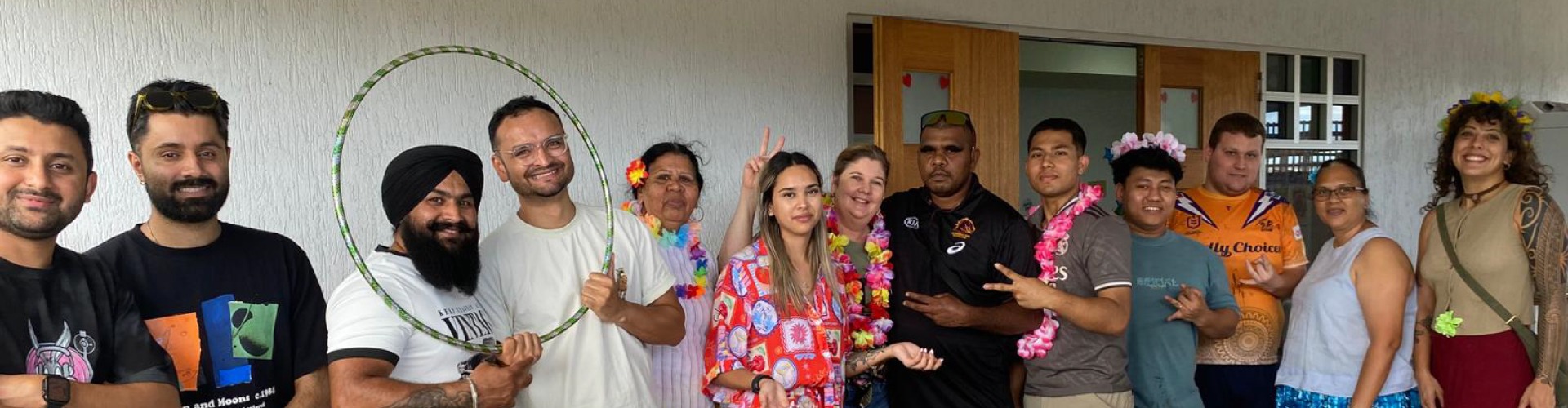
How Culturally Safe NDIS Support Works: The Role of an Aboriginal Liaison Officer

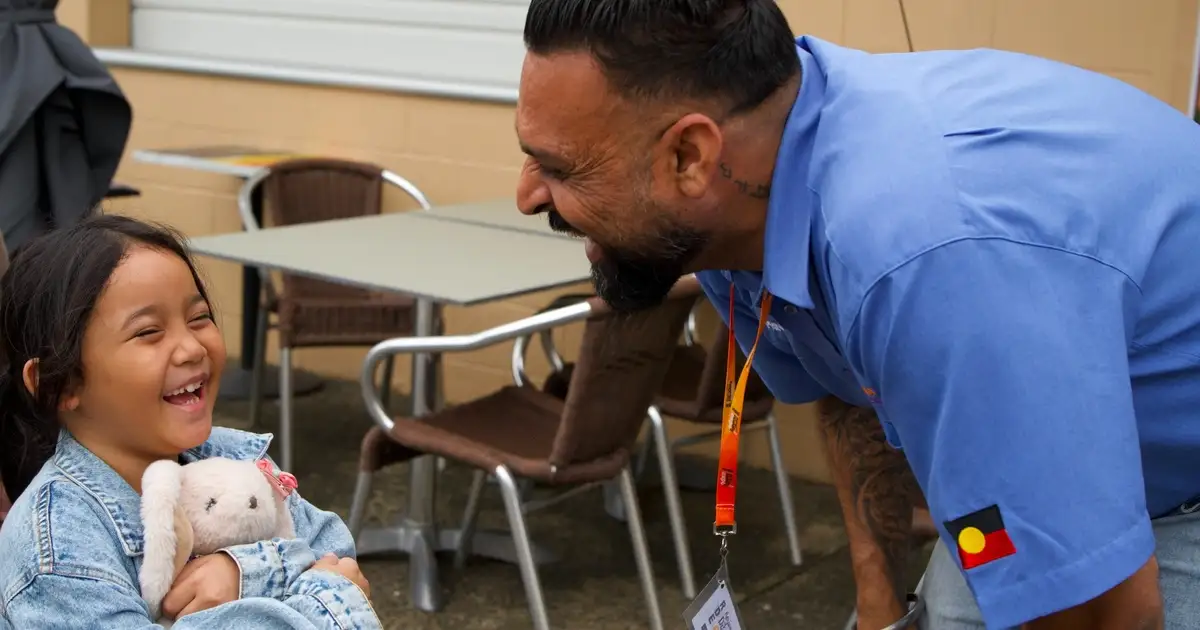
Picture a family in Cairns, brand new to the NDIS. The paperwork is thick. The language is stiff. And nobody in the room looks or sounds like them.
That’s the gap an Aboriginal liaison officer closes. They explain the plan in plain words, earn trust before anyone else steps in, and make sure the support on offer actually fits family, culture and Country.
Want to understand how Aboriginal liaison support can make the NDIS journey easier? In this blog, you’ll learn more about what an Aboriginal liaison officer does, why culturally safe support matters, and how they can help Aboriginal families in Cairns feel more confident, heard and supported throughout the NDIS process.
What Does an Aboriginal Liaison Officer Do?
Think of it as a bridge role. On one side sits the NDIS: plans, funding categories, review meetings. On the other sits community: family, culture, Country. The liaison officer stands in the middle so nothing gets lost between the two.
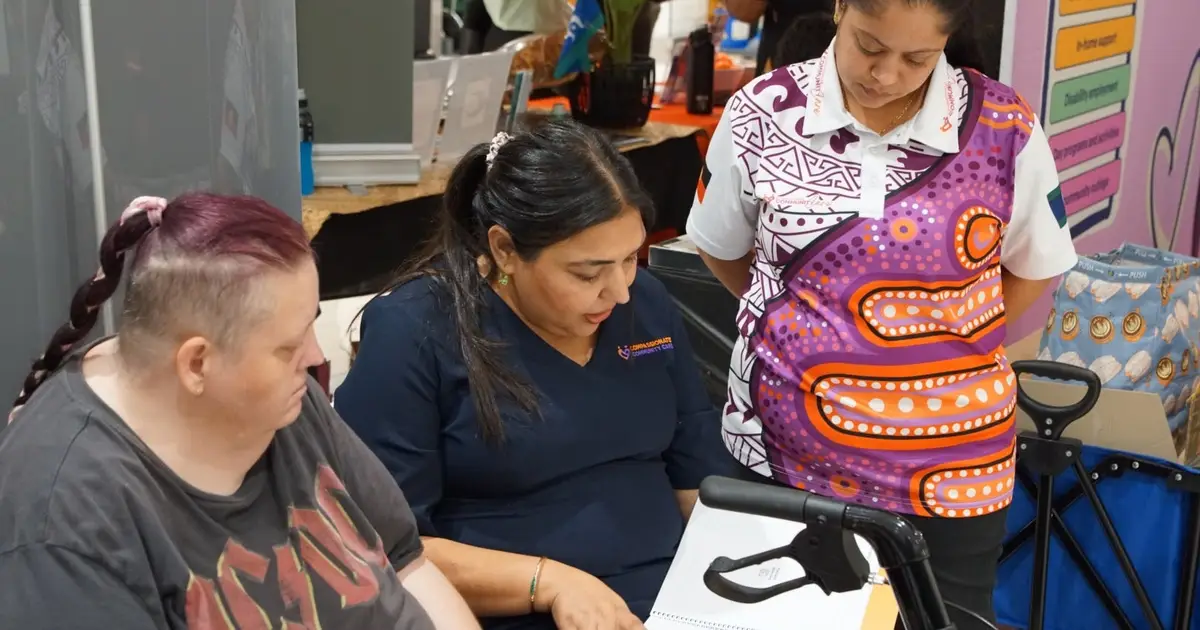
Three jobs sit at the heart of it:
- Plain talk, not jargon. Funding categories and reviews can feel like a foreign language. A liaison officer breaks it down so it actually makes sense.
- Trust before anything else. Plenty of Aboriginal and Torres Strait Islander families have been let down by mainstream services before. So the liaison officer earns trust first, then brings in the rest of the care team.
- Culture in the middle of the plan, not stuck on the side. Family structure. Kinship duties. Connection to Country. Real cultural safety covers all of it. Not just a line on a website.
This isn’t a new idea, either. NACCHO runs a national Aboriginal Disability Liaison Officer (ADLO) program with the NDIA, now covering more than 50 officers across over 40 Aboriginal Community Controlled Health Organisations nationally. Compassionate Community Care’s own liaison role runs separately from that program. But the thinking behind it is the same: someone local and trusted, standing between the system and the family it’s meant to help.
Why Does Culturally Safe NDIS Support Matter?
Here’s the blunt version: cultural safety decides whether people show up at all.
The Australian Institute of Health and Welfare looked at Indigenous Australians who needed a health service but didn’t get one. Almost a third, 32%, put that down to cultural reasons: language barriers, discrimination, services that just didn’t feel right. Disability support runs on the exact same trust. The exact same barriers show up here.
And cultural safety isn’t something a provider gets to declare about itself. Under the national strategy that first set the standard, it’s the person receiving care who decides whether it was safe. Not the organisation delivering it. A website can say the words. Only a family can confirm them.
How Does an Aboriginal Liaison Officer Work, Day to Day?
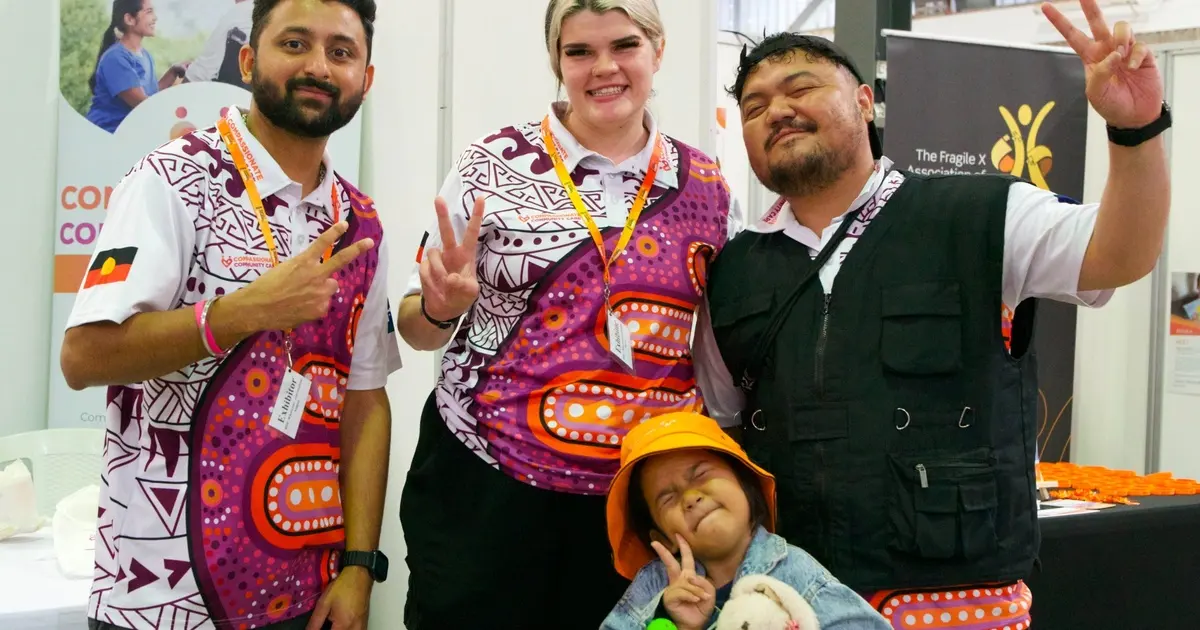
The job shifts depending on where a family sits in their NDIS journey.
Before a plan even starts, a liaison officer can sit in on the first conversations. No jargon. Just honest answers, so the family can work out if NDIS support is right for them before anything locks in.
Once support is running, they check in. Do the rostered workers actually understand this family’s context? Has anything felt off? They’re the steady face who stays put, even as other staff come and go.
Then there’s review time, often the hardest part of all. Having someone in the room who already knows the family, and can turn NDIA language into plain English, changes how that meeting goes.
None of this runs on forms alone. It runs on yarning first. The paperwork still gets done. It just isn’t the point.
How Is Aboriginal NDIS Support in Cairns Different From a Standard Support Worker?
A support worker delivers what’s on the plan. Personal care. Community access. Therapy support. Solid, practical, task by task.
A liaison officer works a level above that. Their question isn’t “what needs doing today”. It’s “does this whole service actually feel safe to deal with in the first place”.
That gap matters more in Cairns and Far North Queensland than it might in a big city. Local Aboriginal and Torres Strait Islander communities here stretch from urban Cairns out to more remote areas nearby, each with its own family networks, language groups and expectations. A generic Acknowledgement of Country on a homepage won’t cover any of that. Someone who actually knows the local community will.
What Should You Look for in a Culturally Safe NDIS Provider?
Plenty of providers mention cultural safety. Fewer have built real structure behind the claim. Use this list when you’re comparing options in Cairns.
| What to check | Why it matters |
|---|---|
| A named Aboriginal liaison officer, not just a policy line | Proves there’s a real person, not just a webpage claim |
| Involved from the first conversation, not added on later | Cultural safety works best when it shapes the plan from day one |
| Support workers briefed on family and cultural context | Stops the liaison officer’s work getting undone by the rest of the team |
| A clear answer on how kinship and family decisions get handled | “Family-friendly” on its own isn’t a process |
| The same face, over time | A new liaison officer every few months undoes the trust already built |
How Does Compassionate Community Care’s Aboriginal Liaison Officer Work With Participants?
At Compassionate Community Care, this isn’t bolted on at the end. It’s built in from day one.
As a registered NDIS provider based in Parramatta Park, Cairns, the team works alongside Aboriginal and Torres Strait Islander participants and their families right through the NDIS process, from that very first conversation through to ongoing support coordination. Identity, kinship and Country shape how care actually gets delivered, not just how it reads on a page.
Not sure if a provider’s cultural safety claim is real or just words? The Aboriginal Liaison Officer page sets out exactly what the service covers. Or get in touch directly and ask.
Frequently Asked Questions
What does an Aboriginal liaison officer do in the NDIS?
They help Aboriginal and Torres Strait Islander participants understand their plan, build trust with the provider, and make sure support fits their culture, kinship and connection to Country.
Is an Aboriginal liaison officer the same as a support worker?
No. A support worker handles the daily tasks in a plan. A liaison officer works alongside that team to make sure the whole service feels culturally safe, right from the first conversation.
How do I access an Aboriginal liaison officer through the NDIS?
Start by asking a provider directly: do you have a named Aboriginal liaison officer, and how early do they get involved? Some regions also run an Aboriginal Disability Liaison Officer through a local Aboriginal Community Controlled Health Organisation, which can work alongside a provider’s own team.
Why does cultural safety matter for NDIS participants?
Because it decides whether people engage at all. AIHW data shows cultural reasons, like discrimination or services that don’t feel right, stop many Indigenous Australians getting health support when they need it. Disability support faces the same barrier.
Does Compassionate Community Care offer Aboriginal liaison officer support in Cairns?
Yes. The team works with Aboriginal and Torres Strait Islander participants and families across Cairns and the surrounding service area, from plan set-up right through to ongoing support.
What to Look for in a Quality NDIS Provider
NextWhat’s the Difference Between SIL and SDA? NDIS Accommodation Types Explained

Compassionate Community Care
Part of the Compassionate Community Care team — sharing person-centred insights, NDIS guidance, and stories from across Cairns to support participants, families, and support coordinators.
View all articles

