

When Does an NDIS Participant Need a Nurse at Home? Nurse vs Support Worker, Explained

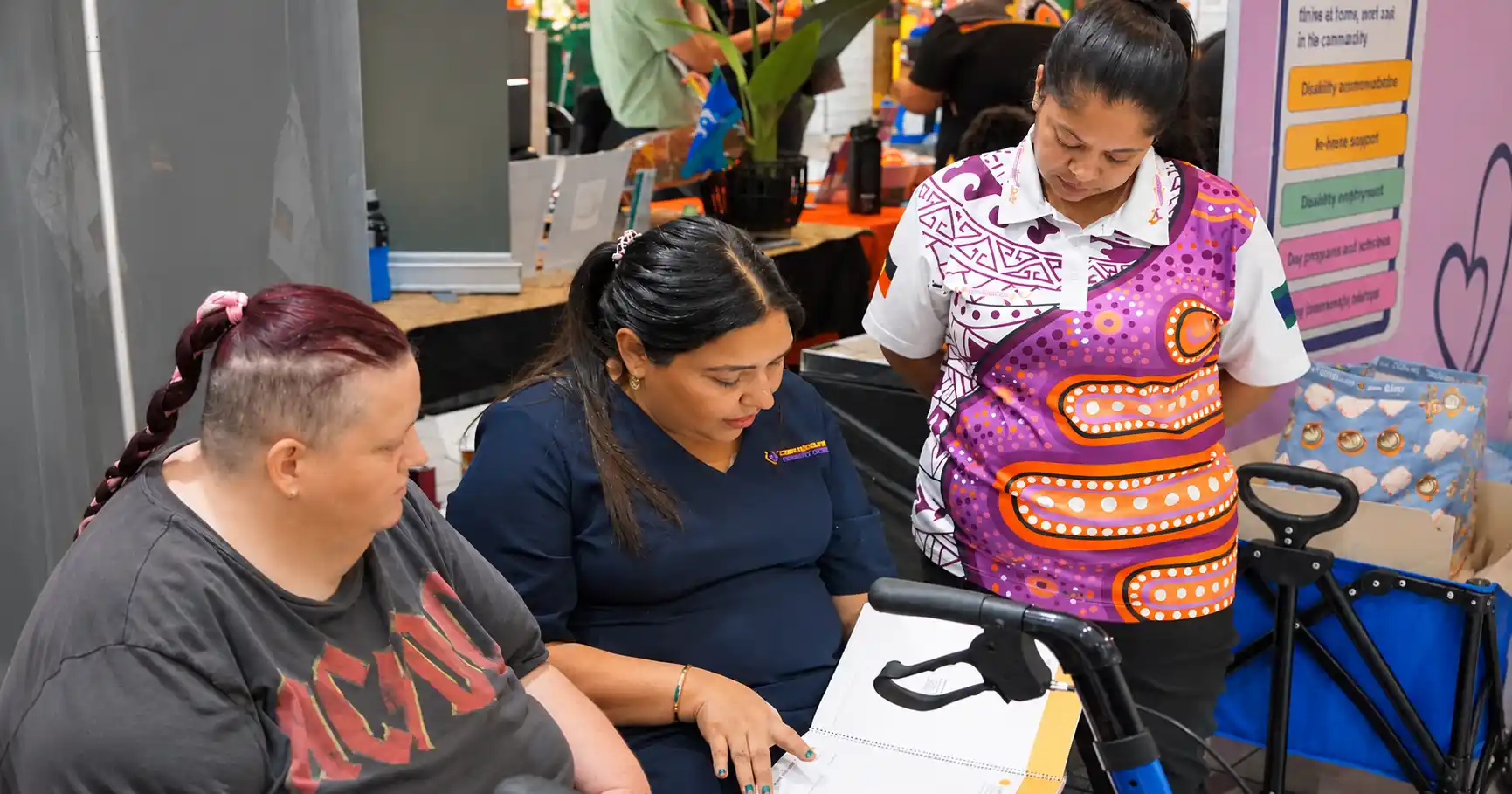
Your support worker is great with routines. But lately Mum’s wound isn’t healing, and nobody’s sure whose job it is to check it. Sound familiar?
So when does an NDIS participant need in-home nursing care? A participant needs in-home nursing care when a disability-related health task needs clinical judgement, their health is unstable or changing, or the task can’t be safely delegated. When a Registered Nurse can train and supervise a support worker to do it safely, the NDIS usually funds that model instead.
This guide is for families and support coordinators in Cairns and Far North Queensland. It won’t list every clinical task a nurse can do. It helps you decide who should be doing the work, and who pays for it.
Nurse vs support worker: what’s the difference under the NDIS?
The difference comes down to clinical responsibility. A support worker helps with daily life. A Registered Nurse assesses health needs, makes clinical decisions and carries responsibility for that care, even when someone else does the hands-on part.
| Feature | Support Worker | Registered Nurse (RN) |
|---|---|---|
| Main role | Daily living, personal care, community access | Clinical assessment, care planning, clinical decisions |
| Decides whether a health task is safe to hand over? | No | Yes. The RN makes this call |
| Health tasks | Only tasks an RN has trained them for, checked and still supervises | Can perform tasks directly, including ones that can’t be delegated |
| When health changes | Reports it | Reassesses and adjusts the plan |
| 2026–27 weekday daytime price limit | Depends on the support item | $128.05 an hour (Enrolled Nurse: $103.44) |
Enrolled Nurses sit in between. They hold clinical training, but they work under a Registered Nurse’s direction.
When Does an NDIS Participant Need a Nurse at Home?
Look at how predictable the health need is, not just how complicated it looks. These signs usually point to a nurse:
- Health needs keep changing. A wound that’s getting worse, seizures with a new pattern, a swallowing problem that’s shifting week to week. The NDIA’s guideline says a Registered Nurse can’t delegate a task
- when a person’s health needs are inconsistent or likely to change.
- The task has to be done by an RN. The NDIA gives daily tracheostomy tie and dressing changes as an example.
- Nobody has assessed the need yet. A new diagnosis or a new piece of equipment needs a nurse to assess and write a care plan before anyone else steps in.
- Support workers are unsure or worried. Near misses, guesswork, or workers saying “I’m not trained for this” are all signals.
- Mental health is part of the picture. When medication changes or a participant becomes unwell, a nurse can liaise with the treating team. Our mental health registered nurse support is built for this.
One sign on its own doesn’t always mean full-time nursing. Often it means a nurse assesses first, then decides what happens next.
When is a trained support worker the right choice?
Plenty of health tasks don’t need a nurse at every visit. When a participant’s needs are stable and predictable, a Registered Nurse can train a support worker and hand the task over. The NDIS calls this delegation.
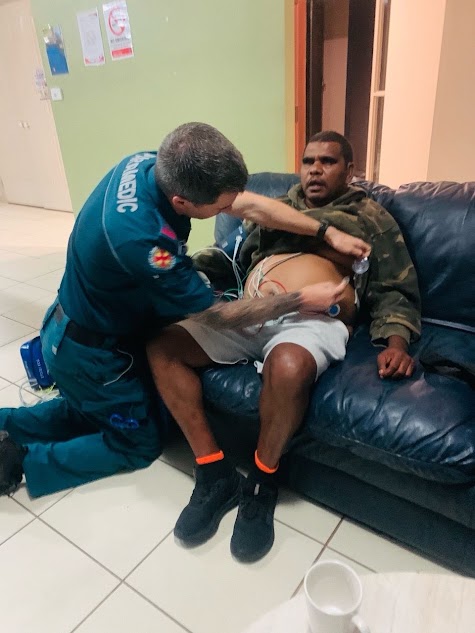
The NDIA also looks at family first. Its guideline says it will first check whether a family member, friend or carer can do the task. If not, the task may go to a trained support worker or an Enrolled Nurse.
That isn’t a cost-cutting shortcut. A worker who already visits every day can often deliver the care more consistently than a nurse who drops in once.
How does nurse delegation work?
Under the NDIS, the Registered Nurse decides whether a disability-related health task can be delegated to a support worker, and the nurse stays responsible for that care. A task stays with the nurse when the participant’s health needs are inconsistent or likely to change, or when the task itself must be done by a Registered Nurse.
In practice, the RN:
- assesses the participant and writes the care plan
- decides which tasks can be handed over
- trains the worker for that person’s specific needs
- checks the worker is competent
- stays available to supervise and reassess
The NDIA’s guideline sorts these supports into two levels: standard and high intensity. It lists eight high intensity supports: complex bowel care, enteral feeding and management, severe dysphagia management, tracheostomy care, urinary catheter management, ventilator management, subcutaneous injections and complex wound management. Workers doing these need specific skills, and the provider needs the right registration. See our complex and high intensity supports for how that works day to day.
Does the NDIS fund nursing care at home?
Yes, when the nursing relates to the participant’s disability. The NDIS calls these disability-related health supports. It may fund someone to provide them, training for support workers, family and friends, consumables such as dressings or continence products, and some assistive technology. Where a task gets delegated, the plan can include funding for a Registered Nurse to write the care plan and supervise.
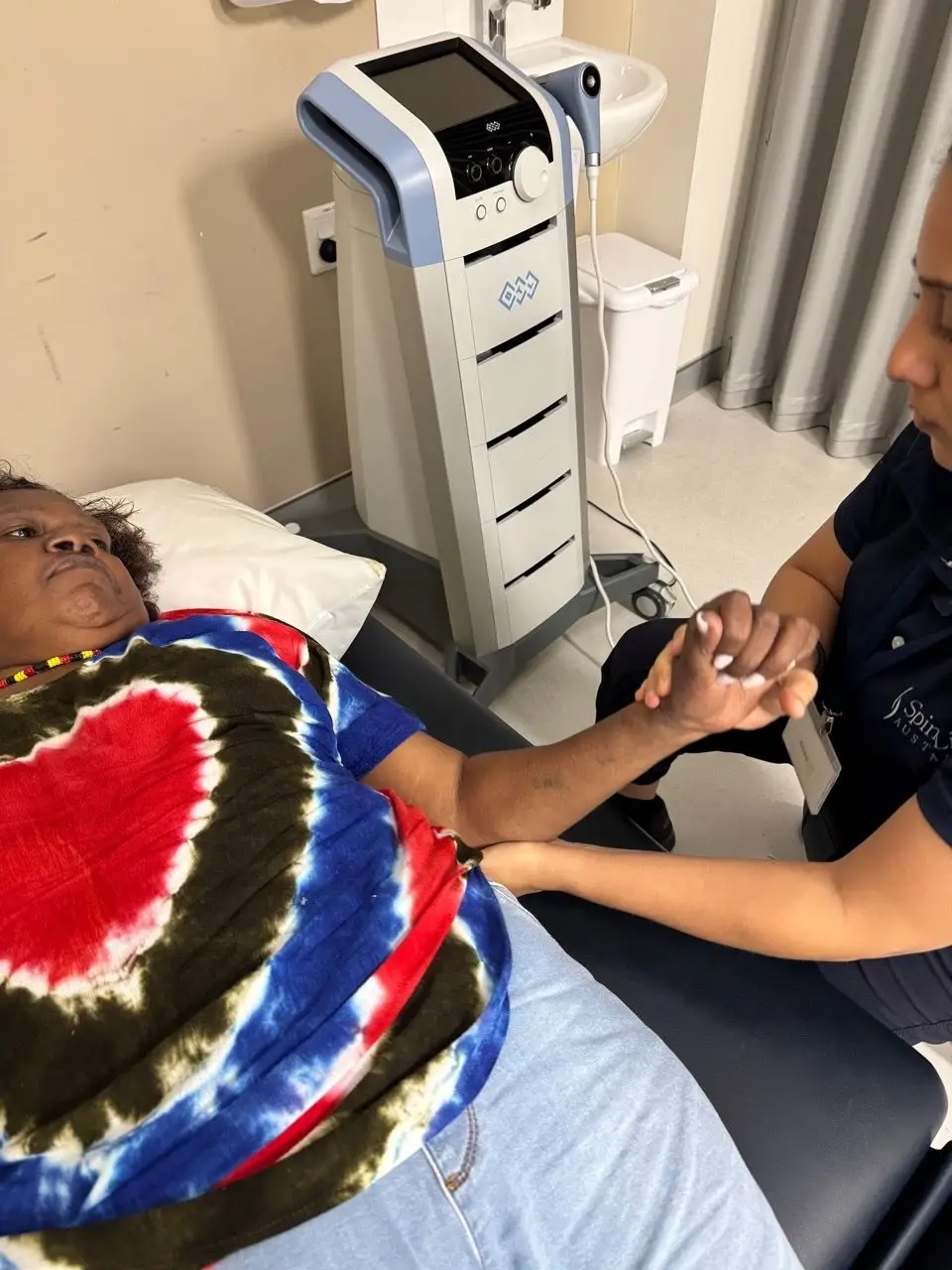
The NDIA groups these supports into 11 areas:
- Dysphagia supports
- Diabetes management supports
- Continence supports
- Wound and pressure care supports
- Respiratory supports
- Nutrition supports, including meal preparation
- Podiatry and foot care supports
- Seizure supports
- Supports for accessing health or mental health services
- Specialist services and supports after a recently acquired severe condition, such as a spinal cord or severe acquired brain injury
- Training for support workers, family and friends
The guideline notes that a participant may need other disability-related health supports not on this list.
What won’t the NDIS fund?
The NDIS can’t fund supports the health system provides. The NDIA’s guideline lists these, among others:
- the diagnosis, early intervention and clinical treatment of health conditions, including ongoing or chronic conditions
- medicines, prescription or not
- ambulance and health transport
- nursing services related to the treatment of a health event
- hospital in the home
- clinical services delivered through public or private hospitals
- end-of-life and palliative care
The NDIA suggests a quick test. Answer yes to these and the support may be NDIS-funded:
- Is the support related to the participant’s disability?
- Is it value for money?
- Is it effective and beneficial for them?
The guideline frames the first question another way, which helps: if the person didn’t have their disability, would they need this health support? The NDIA also looks at what the health system and other mainstream services already provide.
How much does NDIS nursing cost in 2026?
Under the NDIS Pricing Schedule 2026-27, effective 1 July 2026, these are the national hourly price limits for a Registered Nurse delivering health supports:
| Time | Registered Nurse, per Hour |
|---|---|
| Weekday daytime | $128.05 |
| Weekday evening | $141.27 |
| Weekday night | $143.90 |
| Saturday | $182.75 |
| Sunday | $210.09 |
| Public holiday | $237.43 |
An Enrolled Nurse’s weekday daytime limit is $103.44 an hour, with higher limits outside those hours too.
Remote and very remote areas carry higher limits again. The Registered Nurse weekday daytime limit is $179.27 an hour in remote areas and $192.08 in very remote areas, which matters for participants in the remote parts of Far North Queensland.
Since 24 September 2026, the Minister’s pricing determination has set these maximum prices in law. The prices themselves didn’t change. Self-managing? Check with the NDIA how the limits apply to you.
Health system or NDIS? A quick decision table
Use this as a starting point, not a final answer. Every plan decision depends on the participant’s evidence.
| Situation | Usually Funded By | Who’s Likely Involved |
|---|---|---|
| Wound from a fall, not linked to the disability | Health system | GP or community health nurse |
| Pressure care because of loss of feeling from a spinal cord injury | NDIS | RN assesses, may delegate to a trained worker |
| Nursing after surgery unrelated to the disability | Health system | Hospital or hospital in the home |
| Stable, daily catheter care | NDIS | Trained support worker, with RN oversight |
| Seizures with a new or changing pattern | Health system for diagnosis and treatment; NDIS for disability-related seizure support | GP or neurologist, plus RN to update the care plan |
| Participant becoming unwell with complex mental health needs | Health system for treatment; NDIS for disability-related support around it | Treating team, plus a mental health nurse to adjust daily supports |
How do families and coordinators get nursing into a plan?
You don’t always have to wait for a plan reassessment. The NDIA says it may be able to consider a request before the reassessment date, and you can give it new evidence whenever you get it.
- Talk to the right person. That’s the participant’s my NDIS contact, support coordinator or recovery coach.
- Gather evidence from a health professional. The NDIA wants to know the type and amount of support, how it relates to the disability, how it helps, who’s the most appropriate person to provide it, and where it’ll happen.
- Ask for a plan change. Include the evidence with the request.
- Check the decision. Disagree with it? You can ask for an internal review within three months of getting the plan.
Has the participant just left hospital? The hospital stay itself is the health system’s responsibility. Our hospital to home transition support covers the move back.
What should you ask a nursing provider?
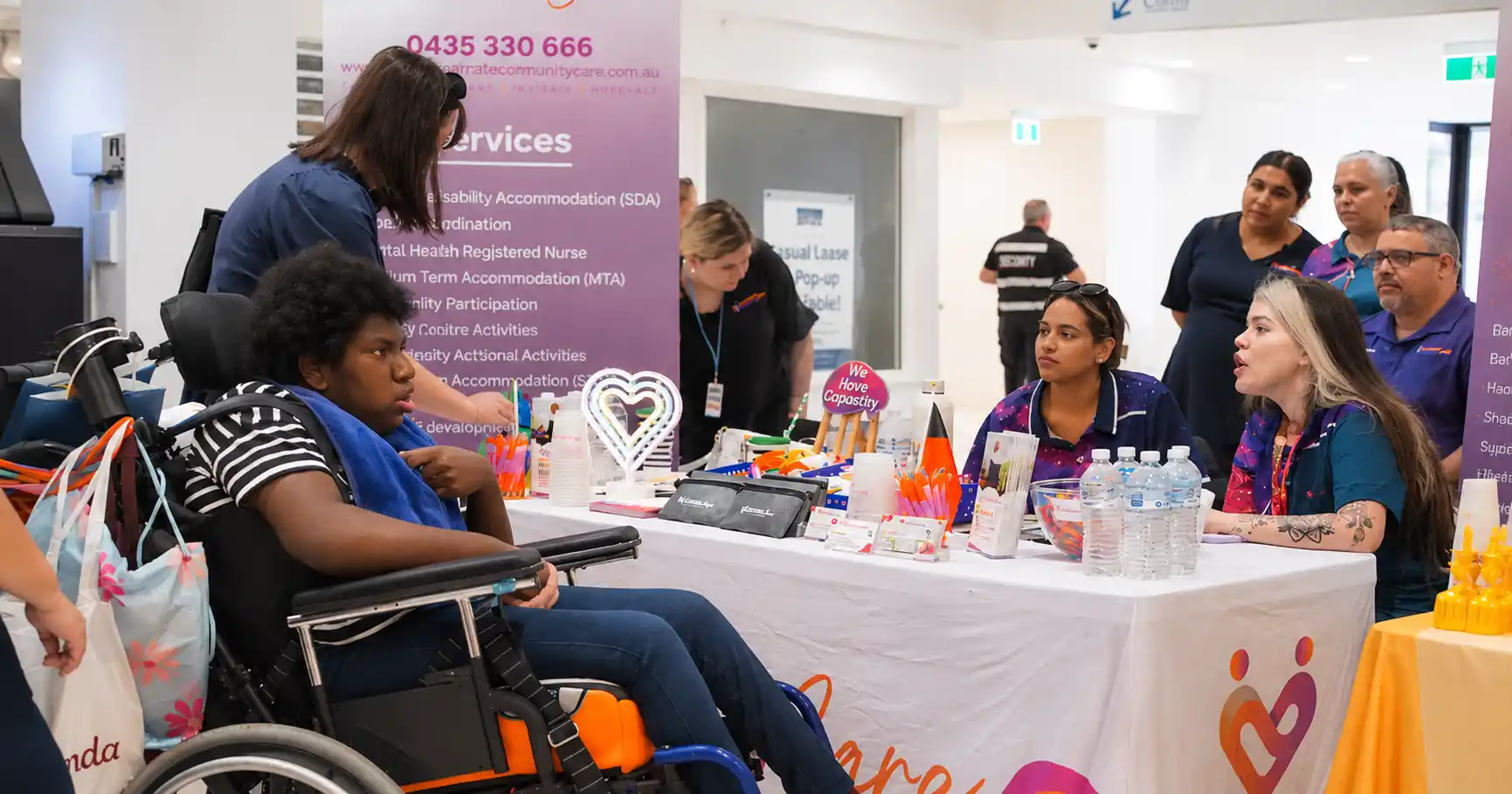
A good provider gives straight answers to these:
- Are your nurses employed directly, or contracted in?
- Who decides which tasks are delegated, and how do you document worker competency?
- How quickly can a Registered Nurse reassess when something changes?
- How do you work with the participant’s GP and treating team?
- What can’t you support? (A clear “no” at screening beats a gap discovered later.)
At Compassionate Community Care, our Registered Nurses, including mental health and forensic nurses, are part of our own team in Cairns. They deliver clinical care directly and supervise delegated tasks with documented competency. Find out more about our complex community nursing care in Cairns, start a referral, or call 0435 330 666 to talk it through.
Frequently asked questions
Can an NDIS support worker give medication?
It depends on the task and the participant. A Registered Nurse decides whether a health task can be safely delegated, trains the worker and checks their competency. A reminder to take tablets is very different from an injection. Subcutaneous injections count as a high intensity support, so workers need specific skills and supervision.
Does the NDIS pay for a nurse after a hospital stay?
Usually not for the recovery itself. Nursing services related to treating a health event, including hospital in the home, sit with the health system. The NDIS may fund ongoing nursing once needs relate to the disability, such as long-term pressure care after a spinal cord injury.
Can family members do health tasks instead of a nurse?
Yes. The NDIA first checks whether a family member, friend or carer can do the task. When a family member takes it on, a Registered Nurse can train them, and the NDIS can fund training for support workers, family and friends where it’s appropriate.
What’s the difference between a Registered Nurse and an Enrolled Nurse?
A Registered Nurse assesses, plans care and makes clinical decisions, including whether a task can be delegated. An Enrolled Nurse is clinically trained but works under a Registered Nurse’s direction. In the 2026-27 NDIS Pricing Schedule, the weekday daytime limits are $128.05 an hour (RN) and $103.44 an hour (EN).
How much does an NDIS nurse cost per hour in 2026?
The NDIS Pricing Schedule 2026-27 sets a weekday daytime limit of $128.05 an hour for a Registered Nurse and $103.44 for an Enrolled Nurse, at national rates. Evening, weekend and public holiday rates are higher, and so are remote rates. Since 24 September 2026 a ministerial determination has set these maximums in law.

Compassionate Community Care
Part of the Compassionate Community Care team — sharing person-centred insights, NDIS guidance, and stories from across Cairns to support participants, families, and support coordinators.
View all articles